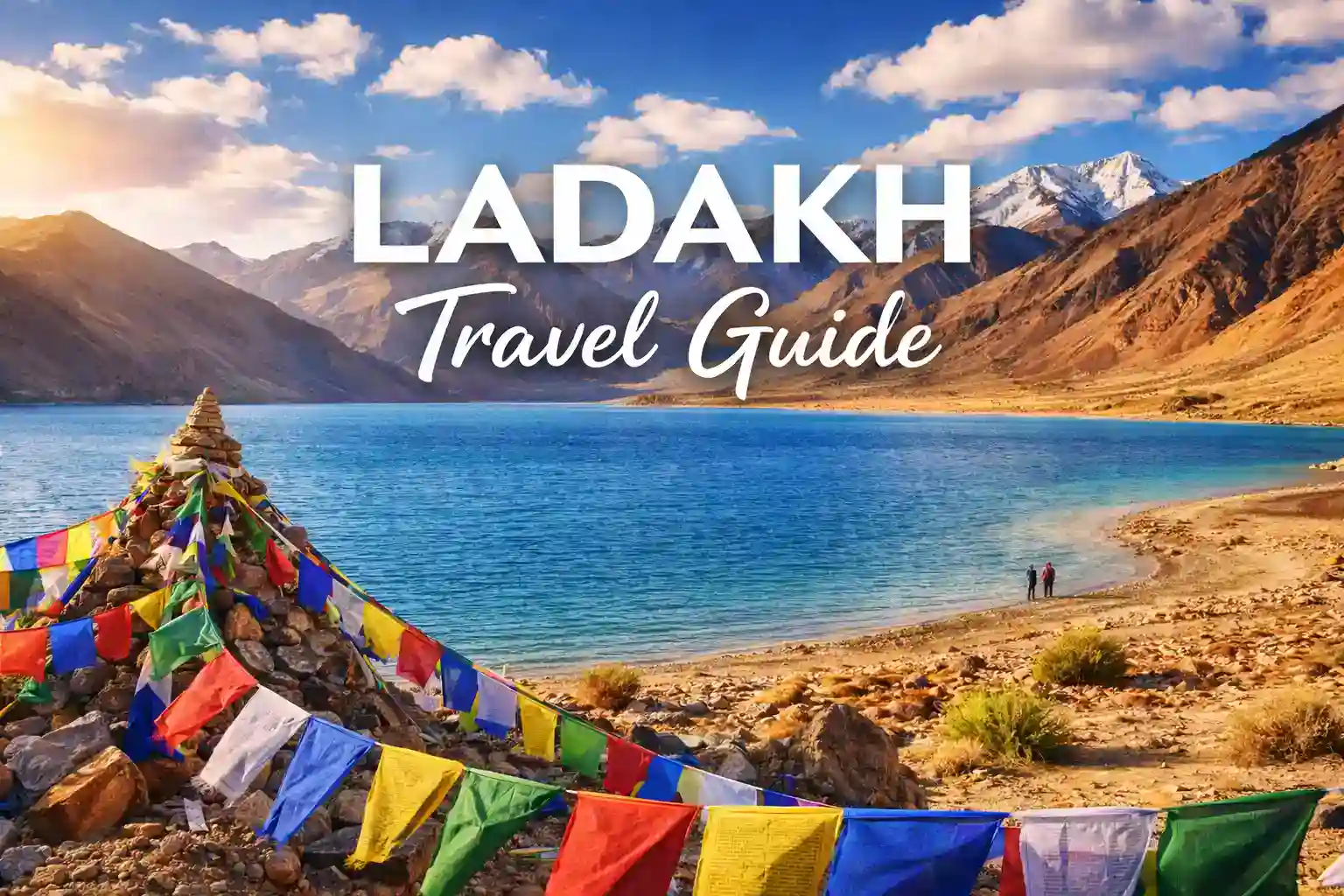
Ladakh is a place everyone wants to experience, slowly and deliberately. Ladakh is located in Kashmir and it is Union territory of India. Ladakh is located in peak mountains touch the sky, turquoise lakes shimmer peacefully, and ancient monasteries resonate with centuries of spiritual tranquillity. A trip to Ladakh is as much an adventurous journey through one of the planet's most challenging terrains as it is an inward journey of self-discovery.
In recent years, Ladakh has moved from a specialised holiday destination to one of India's most popular destinations. However, despite its rising popularity, it remains unfiltered, strong, and completely true. This Ladakh travel guide is intended to help you not only plan your trip, but also experience the region in a meaningful and responsible manner.
Whether you're planning your first holiday to Leh Ladakh, thinking about a road trip from Manali or Srinagar, or looking into customised Ladakh tour packages, will tell you everything that you have to know before you travel.
Understanding Ladakh: Geography, Culture, and What Makes It Unique
Ladakh is located between the Karakoram and Himalayan high mountain ranges, creating a cold desert ecosystem unlike any other part of India. Life here has adapted to the challenging circumstances for whom who lived here. The air is thin, the weather is harsh, yet the people are warm, tough, and deeply connected to their land. Ladakhi culture is heavily influenced by Tibetan Buddhism, which is evident in its architecture, festivals, cuisine, and daily life.
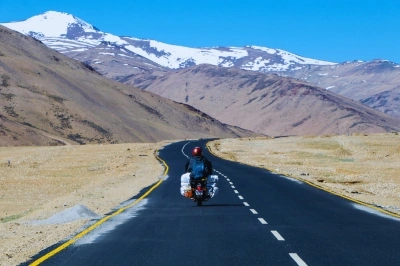
The capital Leh, is the gateway to Ladakh, and most travellers begin their journey here. From Leh, roads lead to the Nubra Valley, Pangong Lake, Tso Moriri, Sham Valley, and some of the world's highest motorable passes. Each region has its own distinct character, and together they create a travel experience that is both vast and humbling.
Best Time to Visit Ladakh: Choose the Right Season for Your Trip
Timing plays a important role for taking Ladakh experience. Unlike many destinations, Ladakh is not open for whole year for tourist destination in the traditional sense. Each season presents its own unique characteristics and challenges.
The best time to visit Ladakh is start from May to September, when the roads open, the weather stabilizes, and most attractions are accessible for tourists. During these time, daytime temperatures are pleasant, the skies are clear, and lakes like Pangong and Tso Moriri display their famous blue hues. This is also the best season for first-time visitors, families, and those booking guided Ladakh tour packages from India.
June and July are most popular due to its favourable weather and accessibility via both the Manali and Srinagar routes. In August , occasional rainfall in the lower regions, but offers fewer crowds and a touch of greenery amidst the arid landscape. September is ideal for travellers who prefer crisp air, golden landscapes, and quieter roads.
October to April months are considered the winter season for Ladakh and it is not recommended for holiday. Also it offer a completely different experience. Temperatures drive through many roads close, and life slows down. However, winter travel offers the chance to witness frozen rivers, snow-covered monasteries, and unique cultural experiences. Travelers interested in winter treks or experiences like the Chadar Trek often choose this time, although it requires careful planning and acclimatization.
How to Reach Ladakh: Air and Road Routes Explained
Ladakh is very adventurous trip for travellers itself. The easiest way to reach Ladakh is by air, with Leh Airport connected to major Indian cities like Delhi, Mumbai, and Srinagar. Although there are amazing views when flying into Leh, you must exercise caution to enable your body to adjust to the sudden rise in altitude. The majority of seasoned travellers advise relaxing, avoiding physically demanding activities, and allowing your body to acclimate on the first day.
Many travelers choose to combine both routes, entering Ladakh from Srinagar and exiting via Manali, creating a complete circuit that showcases the diverse landscapes of the region.
Permits and Regulations: What You Need to Know Before planning to Ladakh
Planning for Ladakh requires certain permits, especially for areas near the border such as Nubra Valley, Pangong Lake, Tso Moriri, and Hanle. An Inner Line Permit is mandatory for Indian tourists and can be easily obtained online or through registered travel agents in Leh.
These permits are not just a formality, although it help to regulate tourism and protect the sensitive border regions. If you book with Bagpack2go ,we will provide you best Leh Ladakh tour packages, the permits are usually handled on your behalf, allowing for a hassle-free trip.
Foreign nationals have same additional restrictions and should always check the latest regulations before planning their trip.
Places to Visit in Ladakh: Views That Will Stay with You Forever
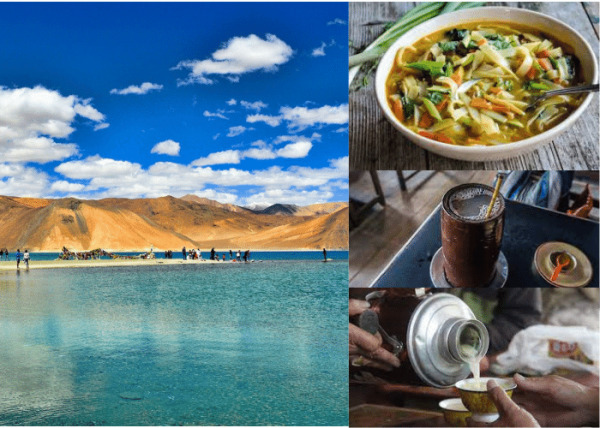
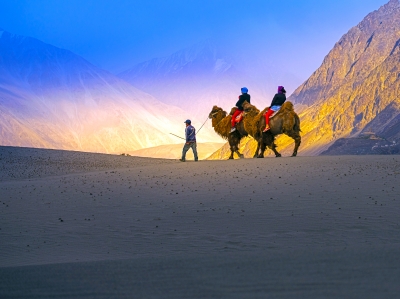
Ladakh is not just about taking off a list of places to see; it's about immersing yourself in vast landscapes and unforgettable views. Pangong Lake, with its ever-changing shades of blue, is one of the most photographed places in India, yet standing quietly on its shores offers an experience entirely different from seeing it on a screen. The Nubra Valley captivates travellers with its sand dunes, double-humped camels, and the serene flow of the Shyok River against a backdrop of towering mountains.
Tso Moriri offers a tranquil, more remote experience, often favored by travelers seeking solitude and unspoiled natural beauty. The Sham Valley near Leh features monasteries, villages, and apricot orchards that provide glimpses into the daily life of the Ladakhi people. Magnetic Hill, the Sangam (confluence of rivers), and Leh Palace add layers of history and intrigue to the journey.
Monasteries like Thiksey, Hemis, Diskit, and Alchi are not merely architectural marvels; they are living centers of spiritual practice. Visiting them with respect allows for a deeper understanding of the soul of Ladakh.
Ladakh Trip Cost: Budget, Comfort, and Luxury Perspectives
The cost of a Ladakh trip can vary widely depending on travel style, duration, and season. Budget travelers often opt for shared taxis, homestays, and local eateries, making Ladakh surprisingly affordable despite its remote location. Mid-range travelers prefer comfortable hotels, private transport, and curated itineraries, striking a balance between comfort and experience.
Luxury in Ladakh is subtle rather than extravagant. High-end camps near Pangong and Nubra offer heated tents, curated experiences, and breathtaking views without disturbing the environment. For travelers looking for hassle-free planning, professionally designed Ladakh tour packages provide clear cost structures and eliminate logistical stress.
Overall, Ladakh is not an expensive destination if planned wisely, and value comes more from experience than indulgence.

Altitude Acclimatization and Health: Safe Travel at High Altitudes
The most crucial part of a trip to Ladakh is understanding altitude and its effects. Leh is situated at an altitude of over 11,000 feet, and many surrounding areas are even higher. Acute mountain sickness is common among travellers who rush their trip or ignore basic precautions.
Getting adequate rest upon arrival, staying well-hydrated, avoiding alcohol initially, and ascending gradually are essential. Listening to your body is paramount. Most well-planned Ladakh trips include acclimatization days to ensure a safe and enjoyable experience.
Food and Local Cuisine: What to Eat in Ladakh
Ladakhi cuisine is simple, nutritious, and influenced by Tibetan food. Dishes like Thukpa, Momos, Skyu, and butter tea are staples, designed to provide warmth and energy in the cold climate. In Leh, you'll also find cafes serving continental and Indian food, catering to diverse tastes.
Trying local food is an essential part of the Ladakhi experience, and supporting family-run eateries helps sustain the livelihoods of the local people.
Responsible Travel in Ladakh: Preserving a Fragile Paradise
Ladakh's beauty is incredibly fragile, and tourism has a direct impact on its environment and culture. All travellers must Avoid plastic, respecting local customs, conserving water, and staying at environmentally conscious accommodations can make a significant difference.
Travelers who visit Ladakh with sensitivity and awareness often leave with profound memories and a deep connection to the land.
Planning Your Ladakh Trip with Experts
Ladakh can be explored independently, expert planning makes a significant difference, especially for first-time visitors. Ladakh tour packages from Bagpack2Go are designed with realistic travel times, proper acclimatization, and local expertise, ensuring that you experience Ladakh safely and meaningfully rather than rushing through it.
From customized itineraries to reliable local support, traveling with professionals allows to focus on the journey rather than logistics.
Final Thoughts: Why Ladakh Leaves a Lasting Mark
Ladakh is not a place you simply photograph and forget. It challenges your comfort zone, slows you down, and reshapes how you see landscapes, silence, and simplicity. Whether you come for adventure, spirituality, photography, or introspection, Ladakh meets you where you are and leaves you changed.
For those who wants for seeking an experience beyond the ordinary, Ladakh remains one of India’s most powerful destinations, and with the right planning, it becomes a journey you will remember for a lifetime.

.png)

.png)
.png)

.png)

.png)




 Home
Home  Hotel
Hotel  Holidays
  Activities
  Account